+91-9830999040

Every child learns differently. Some grasp concepts quickly through reading, while others learn best through visual aids, hands-on activities, or repeated practice. In under-resourced schools, however, addressing these learning differences can be especially challenging due to overcrowded classrooms, limited teaching materials, and a lack of specialized support. Despite these obstacles, inclusive and adaptive teaching practices can make a significant difference.
Teachers in under-resourced schools often work with students from diverse academic and socio-economic backgrounds. Many children may be first-generation learners, have gaps in foundational literacy and numeracy, or face emotional and financial challenges that affect their learning. Recognizing these differences is the first step toward creating an equitable learning environment.
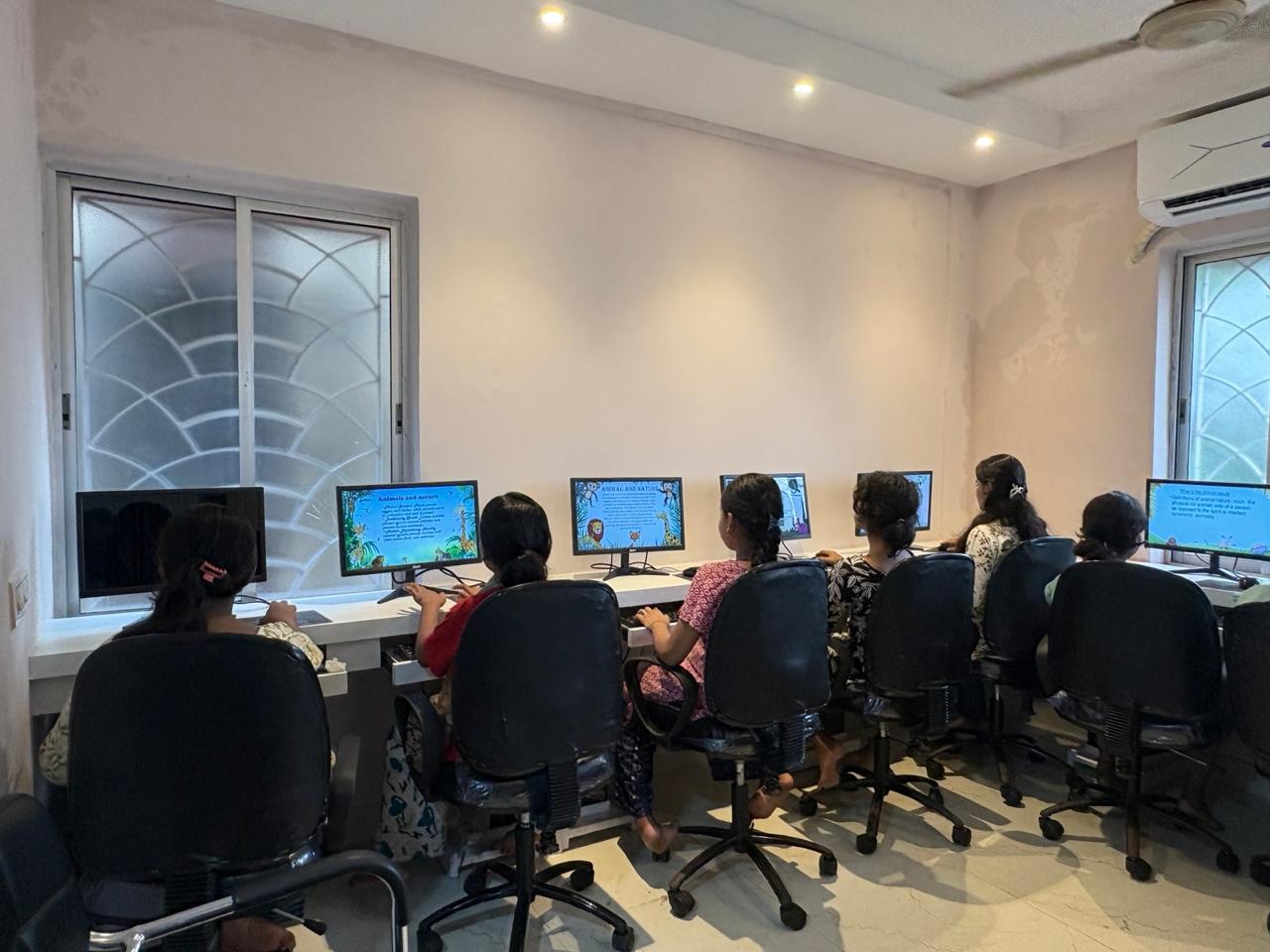
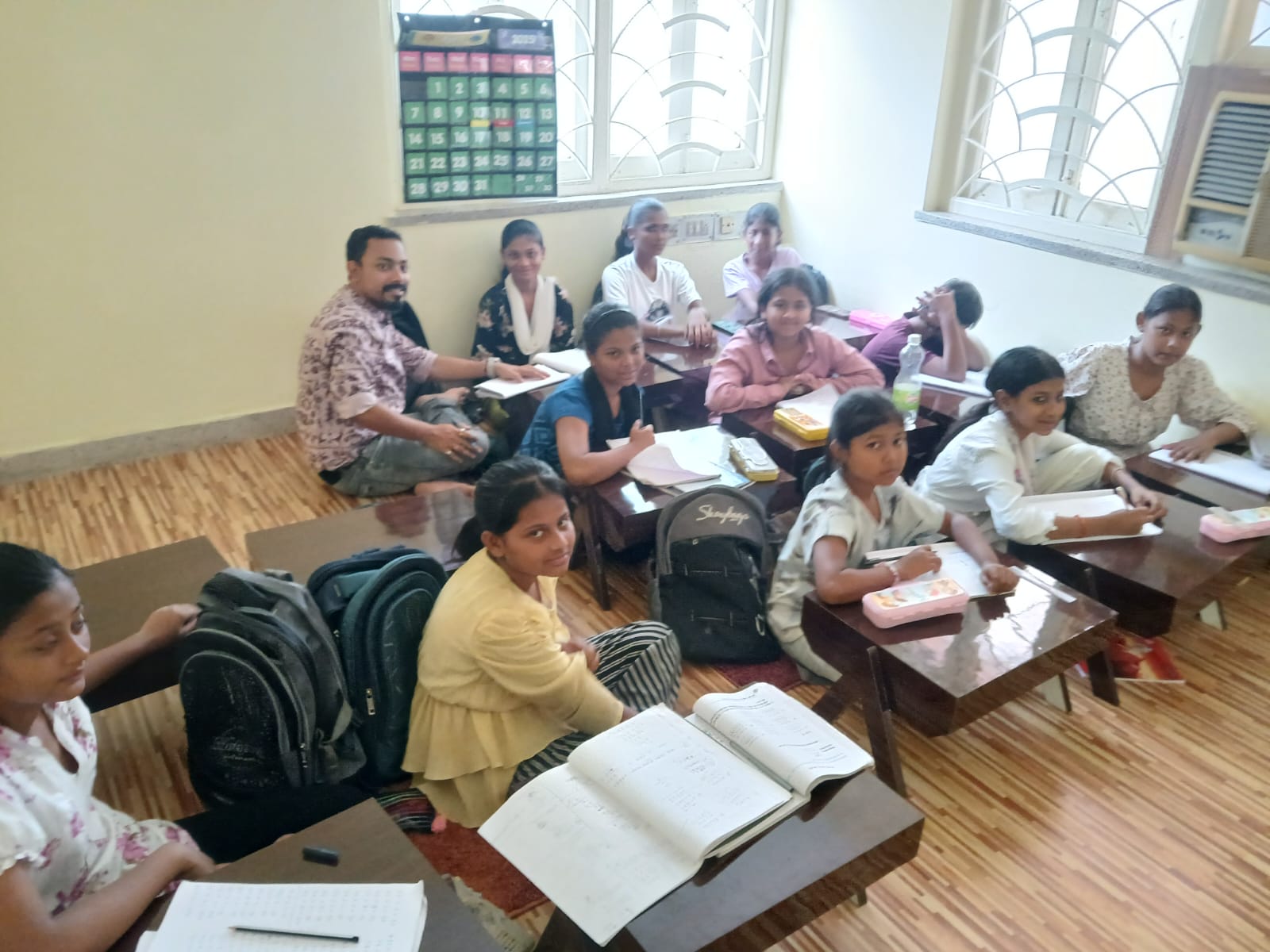
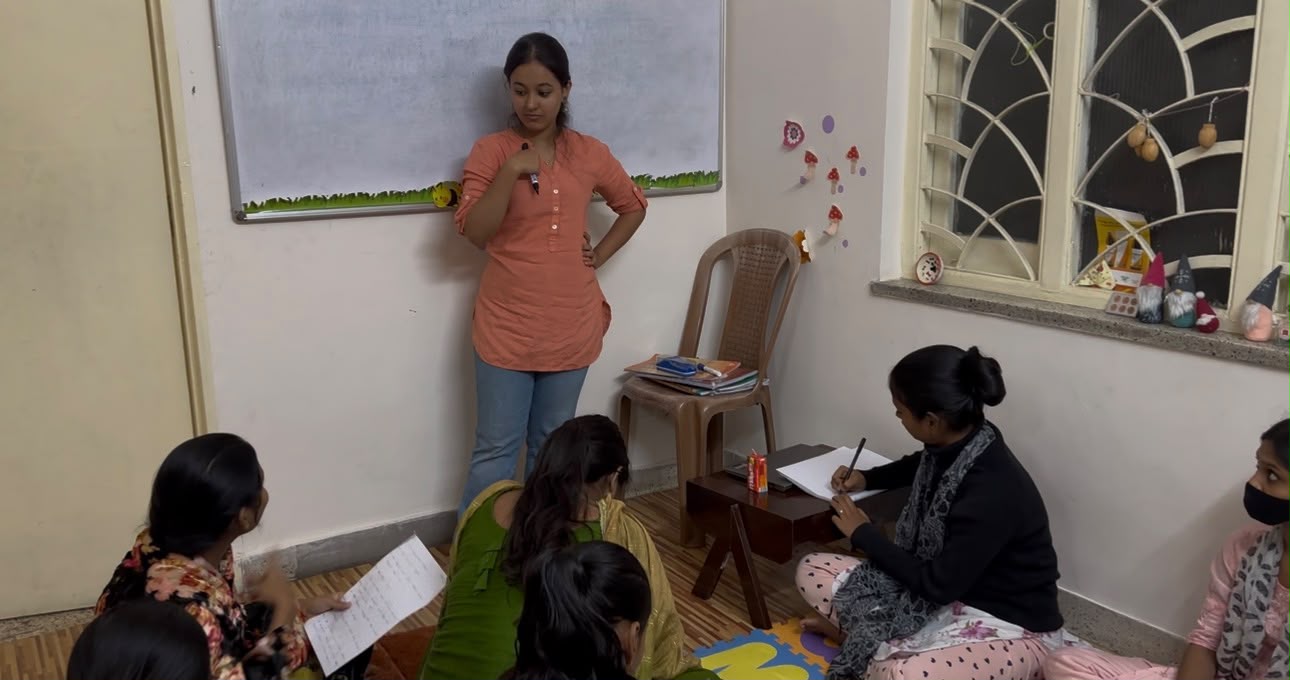
Simple, low-cost strategies can help meet varied learning needs. Group learning, peer tutoring, storytelling, role-play, and the use of locally available materials can make lessons more engaging and accessible. Continuous formative assessments, rather than relying solely on examinations, allow teachers to identify individual strengths and areas where additional support is needed. Encouraging questions and creating a classroom where mistakes are viewed as part of learning also builds confidence among students.
Community involvement further strengthens learning outcomes. Parents, volunteers, and local organizations can provide mentoring, after-school support, and access to learning resources. NGOs and educational initiatives also play a crucial role by training teachers, supplying educational materials, and promoting inclusive teaching practices.
Addressing learning differences is not about providing expensive technology or sophisticated infrastructure; it is about ensuring that every child has an equal opportunity to succeed. With empathy, creativity, and community collaboration, under-resourced schools can foster environments where all learners feel valued, supported, and capable of reaching their full potential. Inclusive education is not merely an educational goal—it is a commitment to equity, dignity, and the belief that every child deserves the chance to learn and thrive.
Author - Monal Choudhury